Our Mission
To enhance trade facilitation, strengthen border control, and improve collection of lawful revenues.
About Us
Public information about Clark services, leadership references, Citizen's Charter access, location guidance, GAD programs, privacy notice, and official contact channels.
Institutional Background
The history of the Bureau of Customs - Port of Clark reflects the transformation of Clark into one of the Philippines' most significant centers for trade, aviation, logistics, and economic development. Strategically located within Central Luzon, the Port of Clark has become a vital gateway that facilitates international commerce while ensuring the protection of the country's borders and the lawful collection of customs revenues.
The foundation of Clark's modern economic development began with the enactment of Republic Act No. 7227, otherwise known as the Bases Conversion and Development Act of 1992. This landmark legislation was created to accelerate the conversion of former United States military reservations into productive civilian and commercial areas following the withdrawal of American forces from the Philippines. The law paved the way for the transformation of Clark Air Base into a major center for investment, trade, tourism, and industrial growth.
In line with this national objective, Proclamation No. 163, s. 1993 formally created the Clark Special Economic Zone (CSEZ). The zone covered approximately 28,000 hectares and was envisioned as a modern economic center integrating industrial, commercial, residential, aviation, and tourism-related developments. The proclamation also established the Clark Development Corporation (CDC) as the implementing and operating arm of the Bases Conversion and Development Authority (BCDA), tasked with managing and promoting the development of Clark into a globally competitive economic hub.
As the Clark Special Economic Zone rapidly expanded and attracted both local and foreign investors, the movement of goods, equipment, and commercial products significantly increased. This economic growth necessitated the establishment of a dedicated customs administration to oversee importation and exportation activities, facilitate legitimate trade, and ensure compliance with customs laws and regulations.
Recognizing the growing importance of Clark as an international gateway, Executive Order No. 55, s. 2001 was issued, creating the Sub-port of Clark Special Economic Zone as a Principal Port of Entry to be known as Collection District XIV or the Port of Clark International Airport. This issuance formally elevated Clark's status in the country's customs administration system and strengthened its role in supporting international trade and aviation operations within Central Luzon.
Subsequently, Customs Administrative Order (CAO) No. 02-2002 further reinforced the operational independence and jurisdiction of the Port of Clark. The order redefined the area of jurisdiction of Collection District No. II-A (Port of Manila) by excluding the Port of Clark International Airport from its coverage. In addition, the issuance established the organizational structure and personnel complement of the Port of Clark, thereby streamlining customs operations and improving the efficiency of cargo processing, trade facilitation, and revenue collection within the freeport and airport zones.
The continued expansion of economic activities in the region led to another major development through Proclamation No. 1035, s. 2006, which created and designated parcels of land situated in Angeles City, the municipalities of Mabalacat and Porac in Pampanga, and the municipalities of Capas and Bamban in Tarlac as a Special Economic Zone (SEZ). This proclamation established a new SEZ in Central Luzon covering approximately 337.65 million square meters, further solidifying Clark's position as a major investment and logistics center in the Philippines.
Over the years, Clark continued to evolve into a world-class metropolis and economic powerhouse. In November 2018, the Bases Conversion and Development Authority (BCDA) and the Clark Development Corporation (CDC) consolidated four major developments under a unified brand known as "Clark: It Works. Like a Dream." within the Clark Freeport and Economic Zone (CFEZ). These developments included the Clark Freeport Zone, Clark Global City, Clark International Airport, and New Clark City. The integration of these districts strengthened Clark's identity as a premier destination for business, transportation, innovation, and sustainable urban development.
Today, the Bureau of Customs - Port of Clark plays a critical role in supporting the country's economic growth by facilitating lawful trade, ensuring efficient customs services, preventing smuggling, and safeguarding national borders. Through continuous modernization, digitalization, and inter-agency coordination, the Port of Clark remains committed to providing responsive and transparent customs administration aligned with global standards and the vision of the Bureau of Customs as a modernized and credible institution.
To enhance trade facilitation, strengthen border control, and improve collection of lawful revenues.
A modernized and credible Customs administration that upholds good governance and is among the world's best.
District Collector's Corner

Office of the District Collector
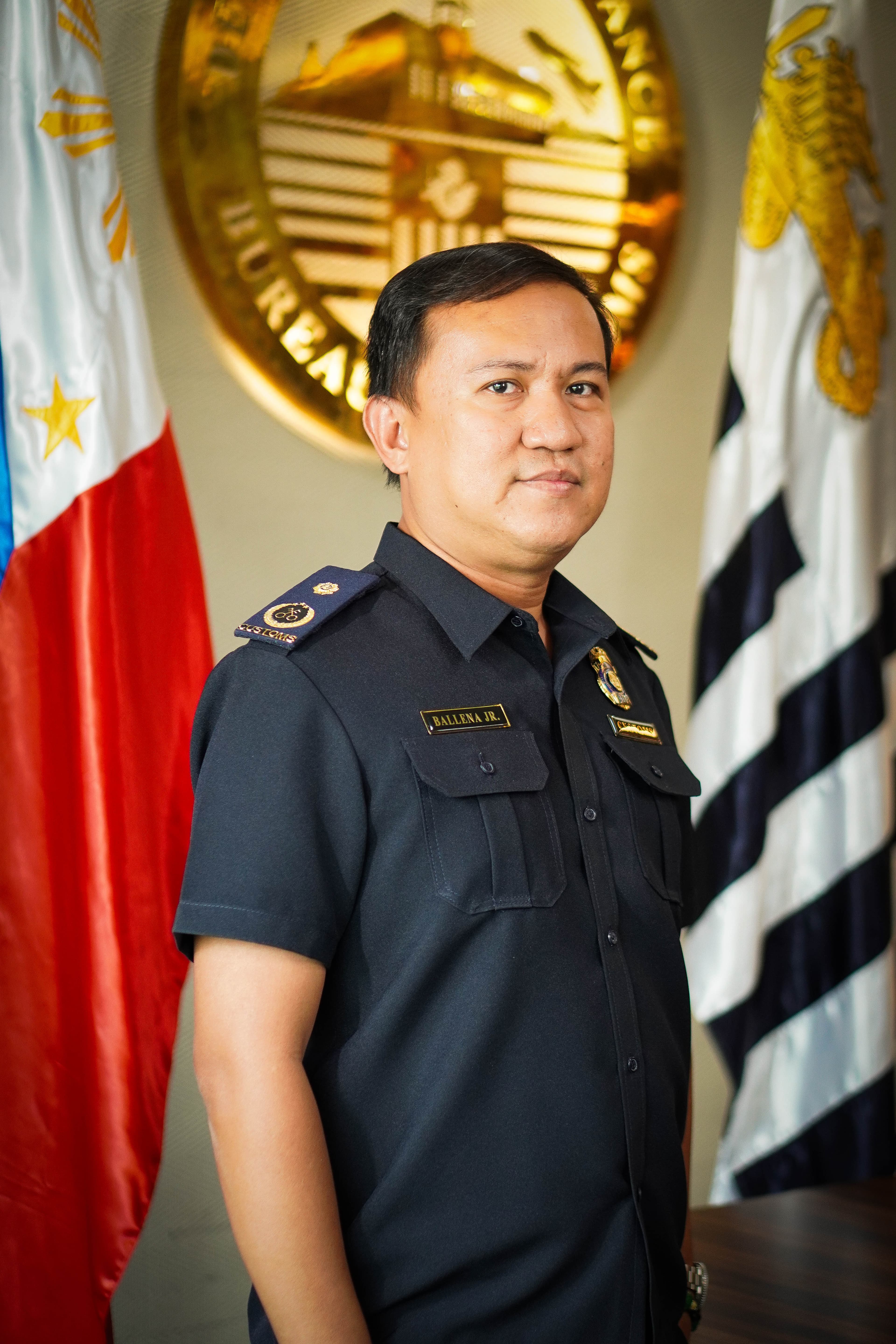
District Collector
District Collector
Organizational Chart
Assessment Office
Deputy Collector for Assessment
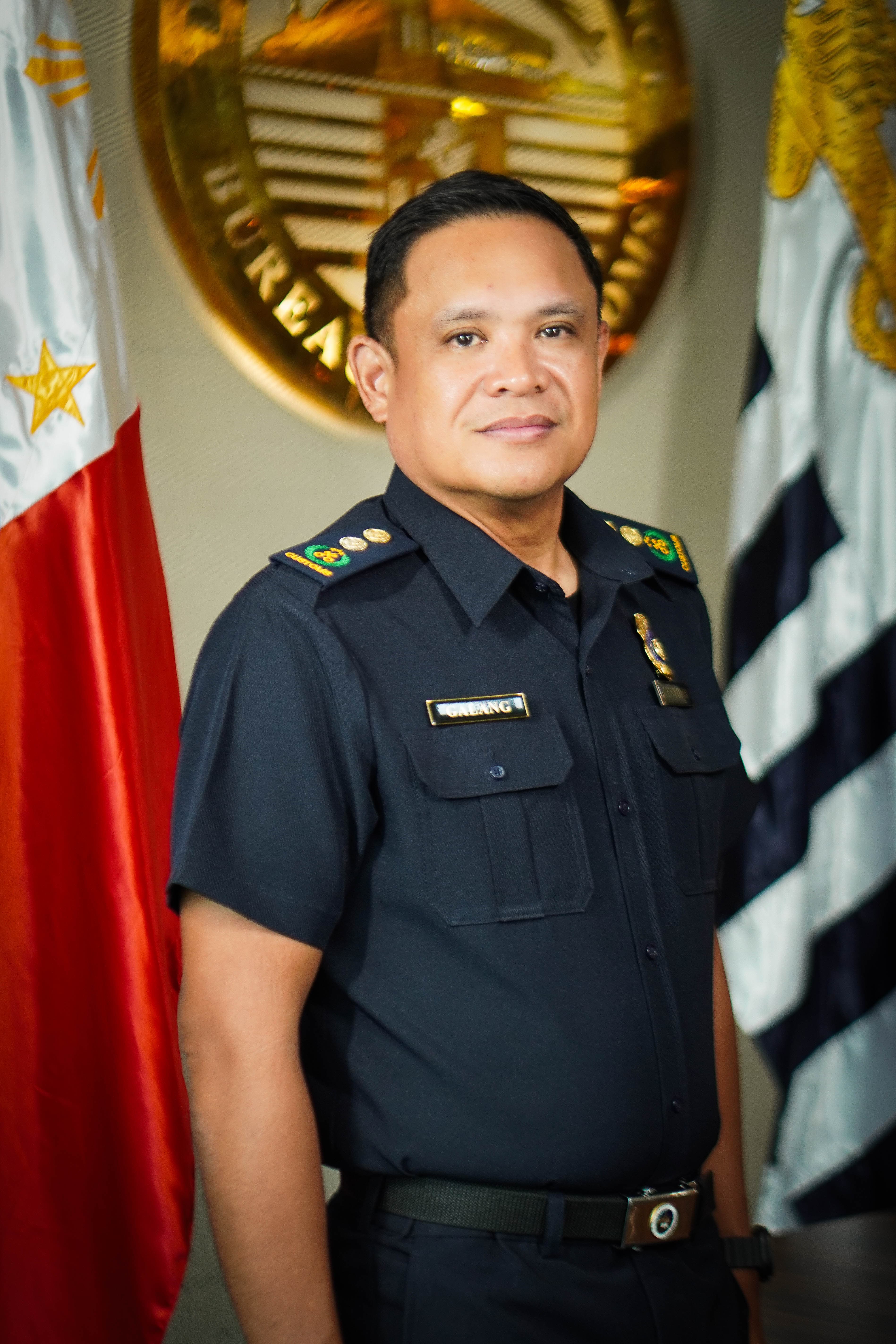
Operations Office
Deputy Collector for Operations
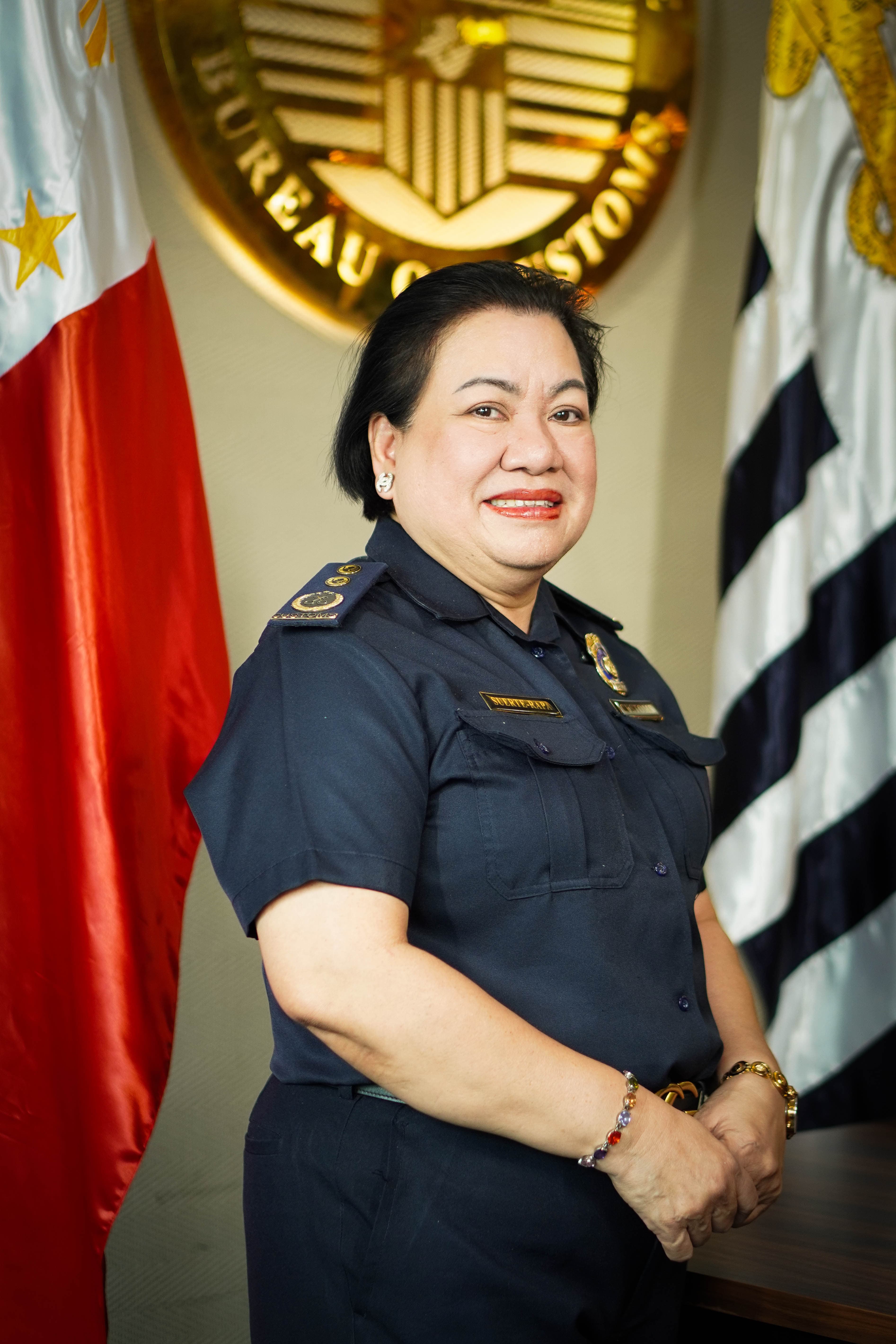
Passenger Service Office
Deputy Collector for Passenger Service
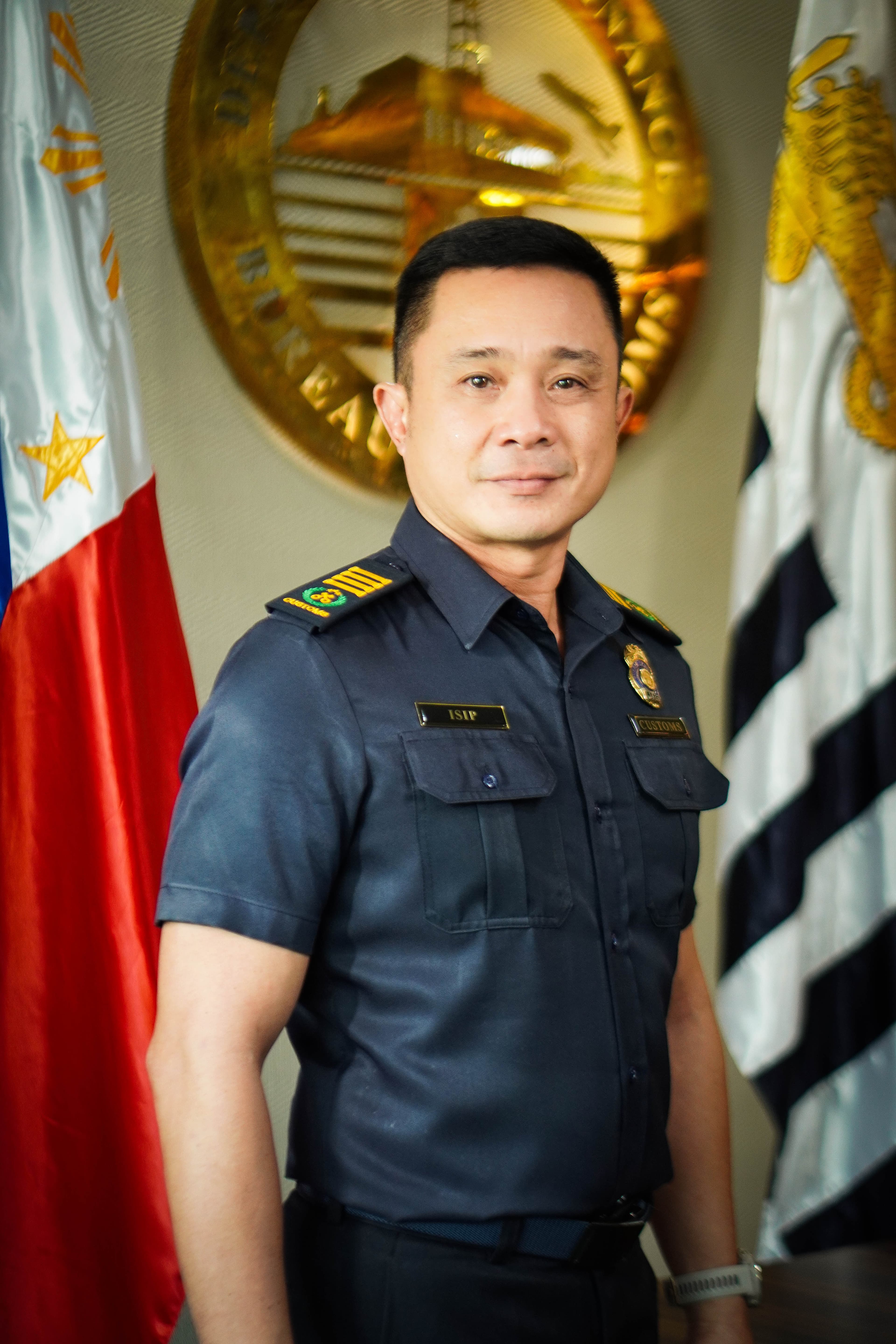
Administration Office
Deputy Collector for Administration
Port Profile
Collection District
District XIV - Port of Clark
Primary Coverage
Clark International Airport, cargo facilities, warehouses, stakeholders, and public assistance services.
Public Services
Forms, process guidance, customs advisories, regulated goods references, and stakeholder support routing.
Digital Service Goal
Centralized and accessible public information portal aligned with government digitalization.
Division heads and support-unit representatives from the official Port of Clark executive summary.
Division and unit heads listed in the official Port of Clark executive summary.
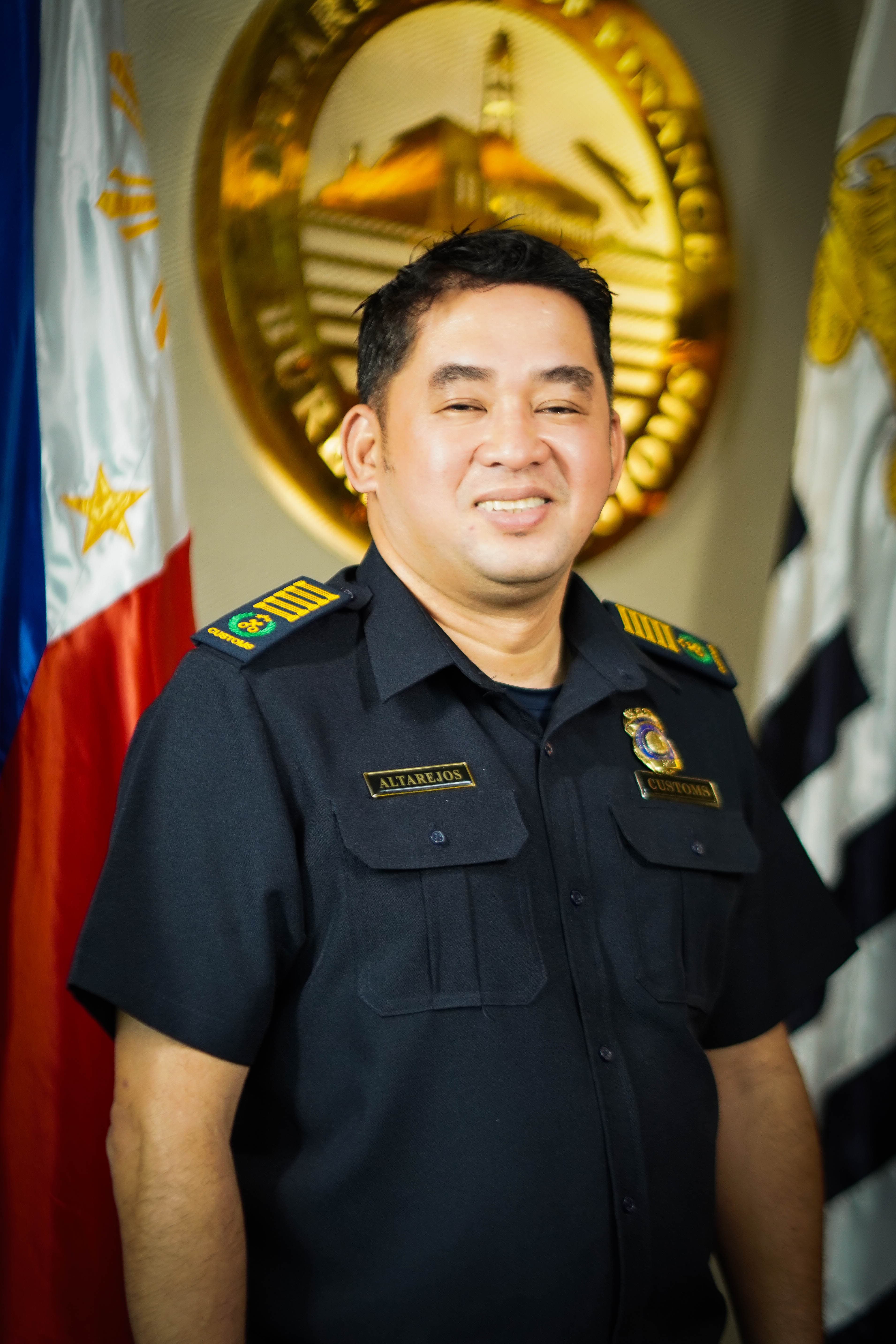
Chief, Assessment Division
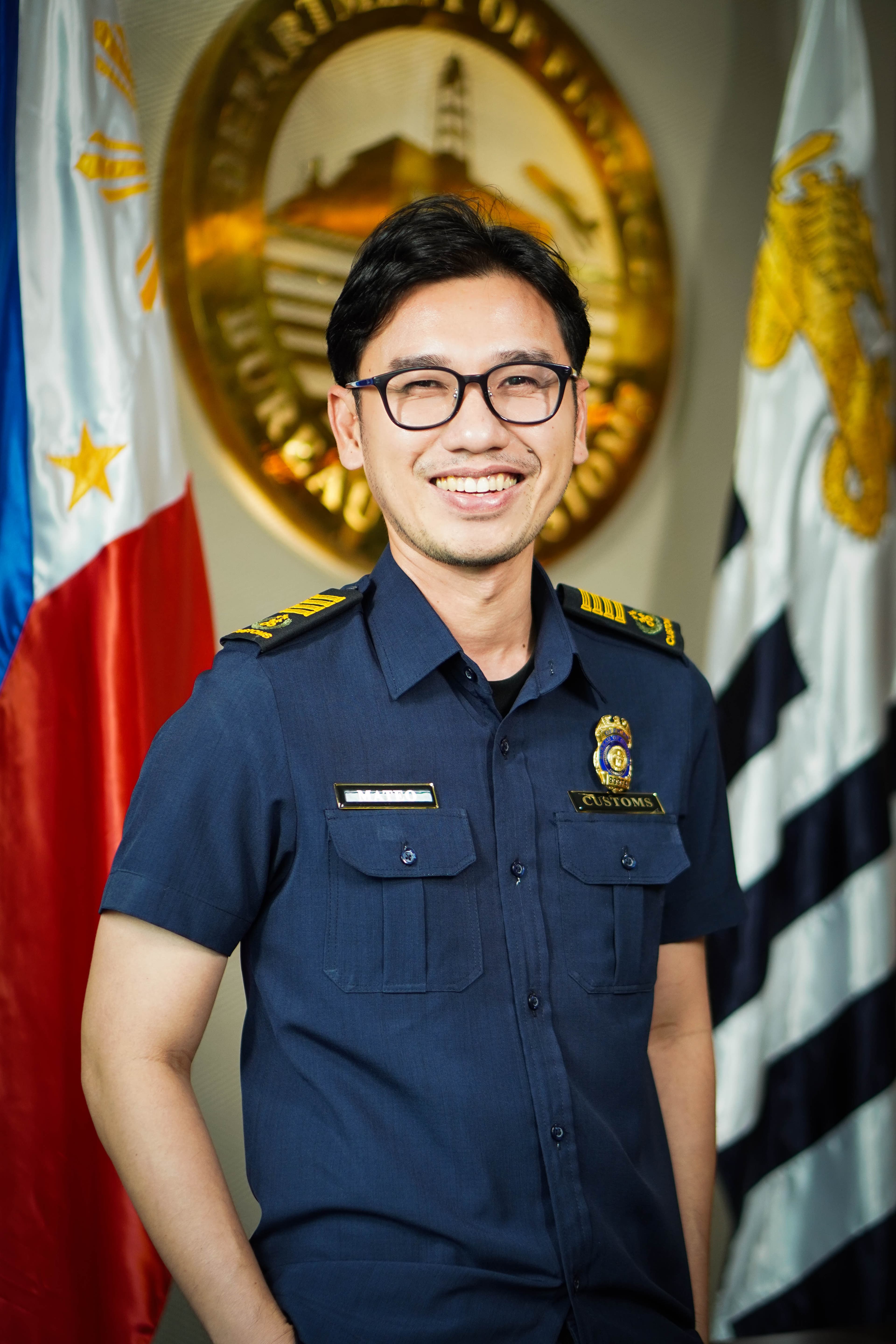
Chief, Air Express Cargo and Processing Division

Chief, Bonds Division
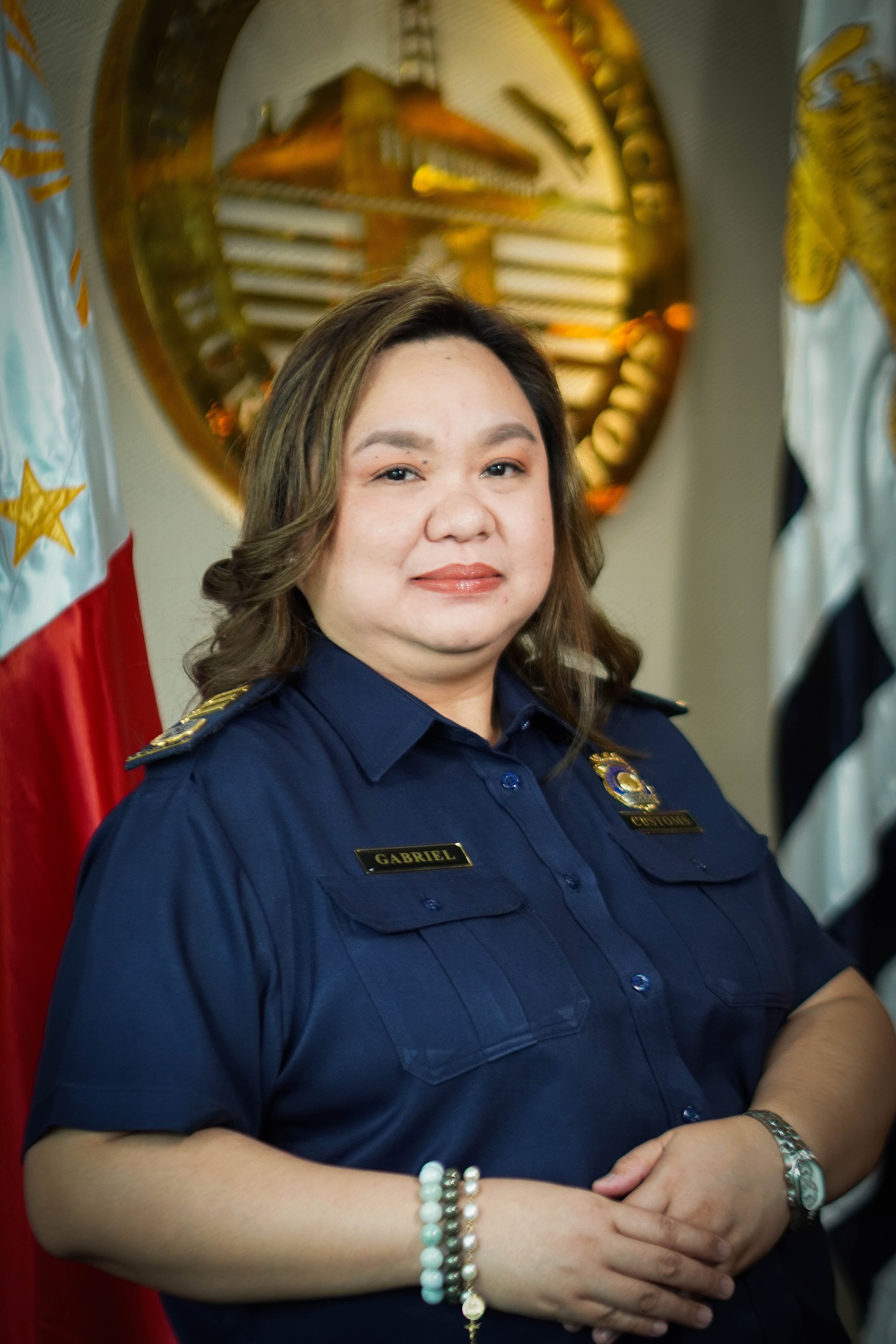
Head, Customer Care Center and Acting Chief, Entry Processing Unit
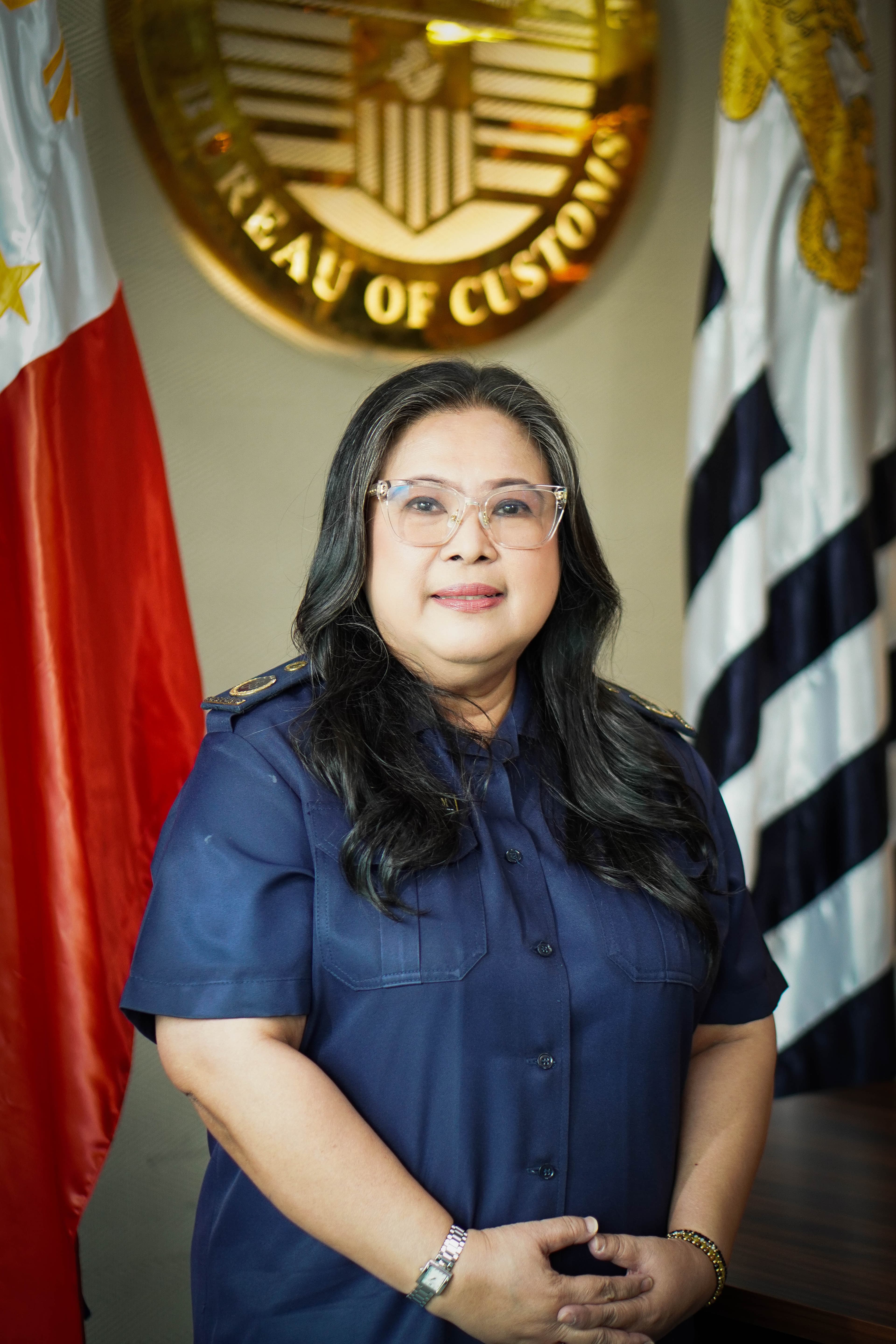
Chief, Liquidation and Billing Division and Chief, Customs Freeport Zone Office
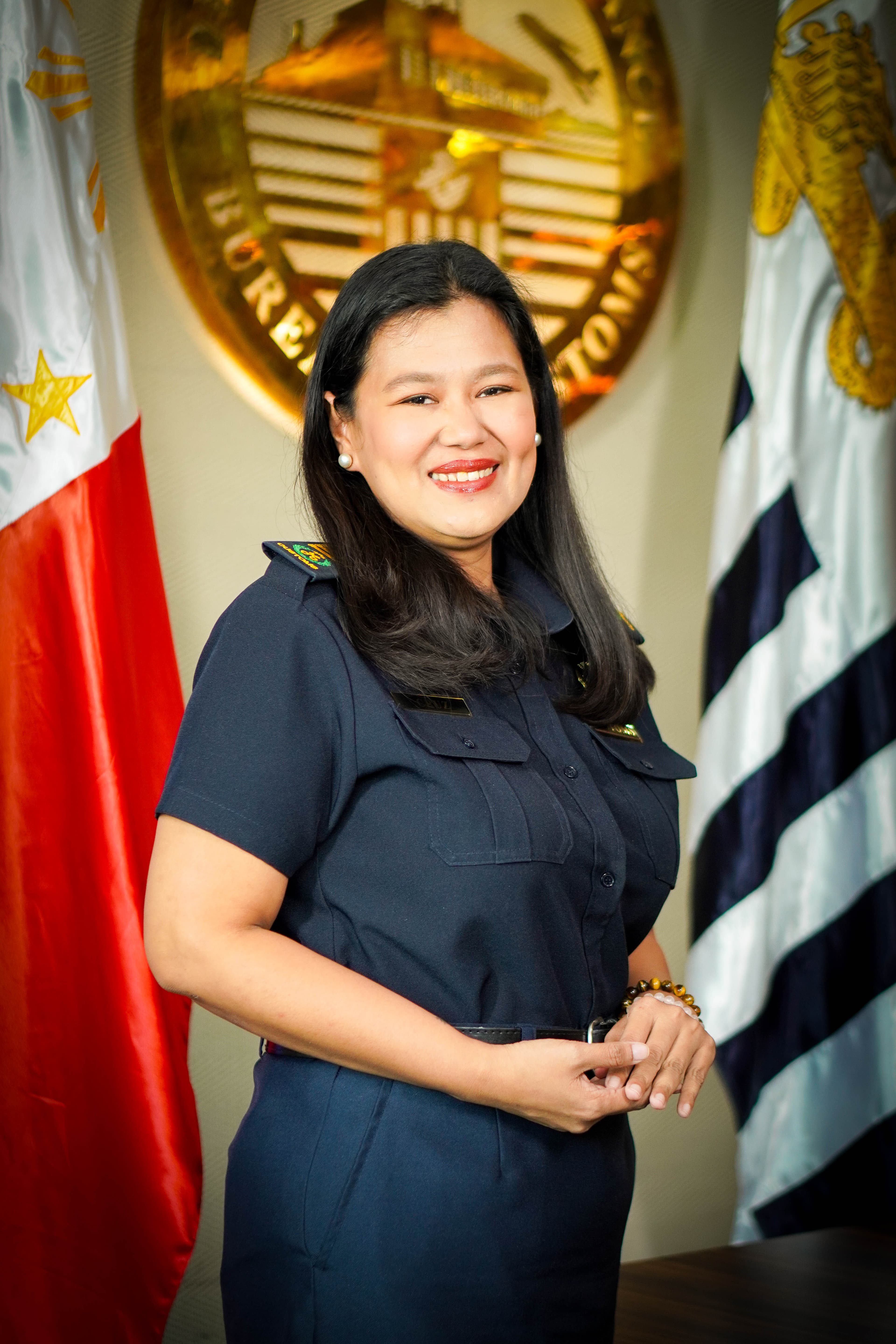
Chief, Administrative Division
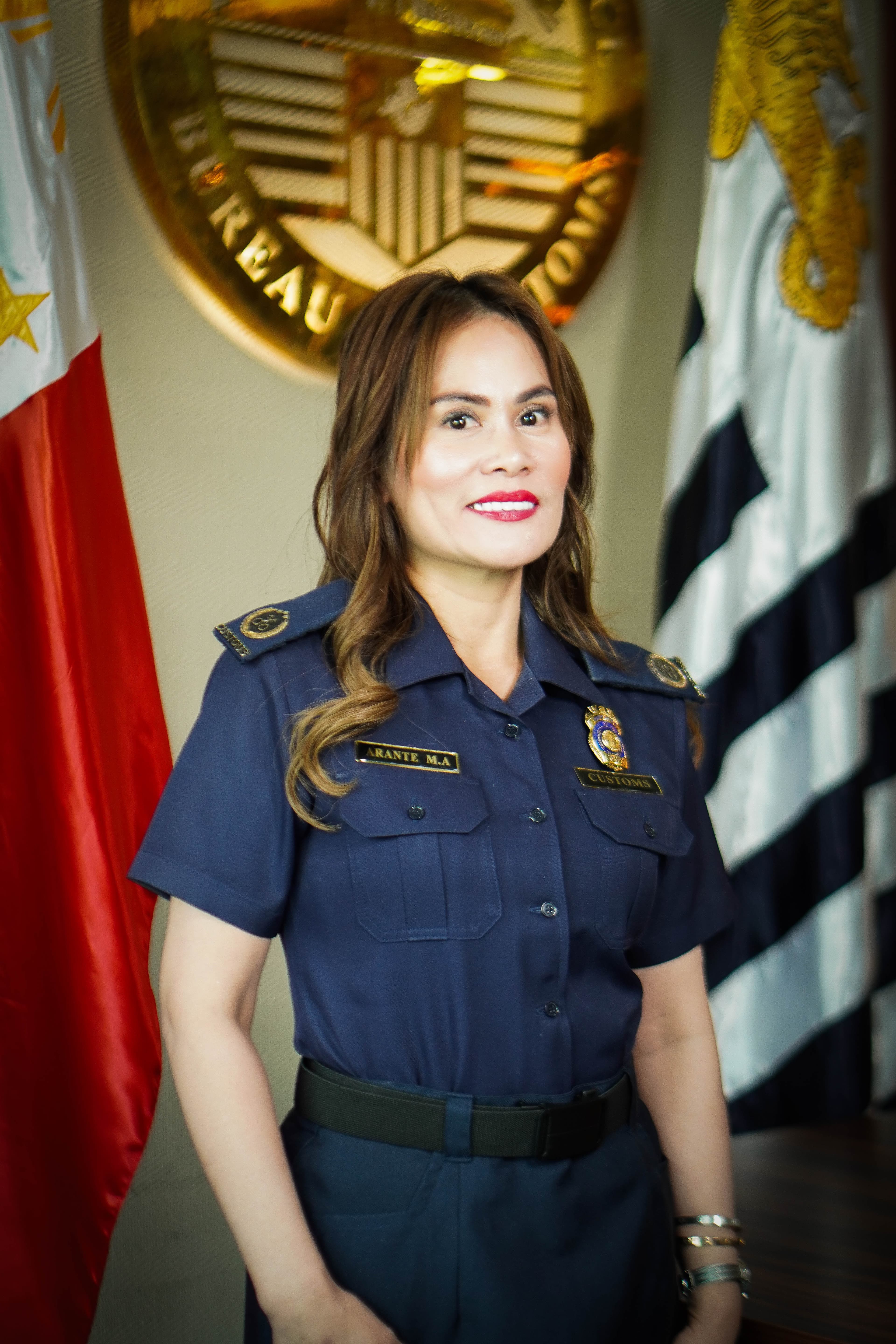
Chief, Collection Division
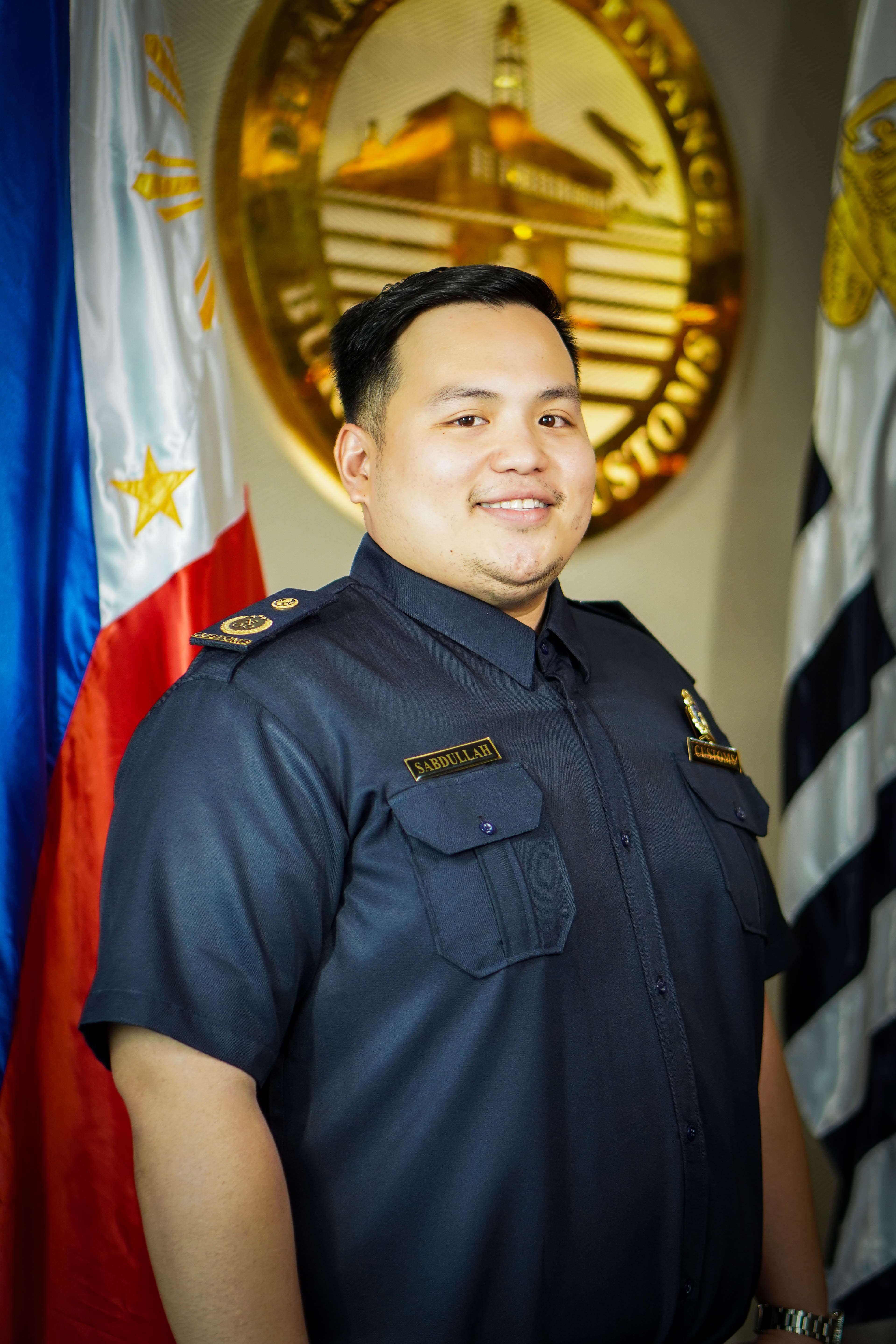
Chief, Law Unit
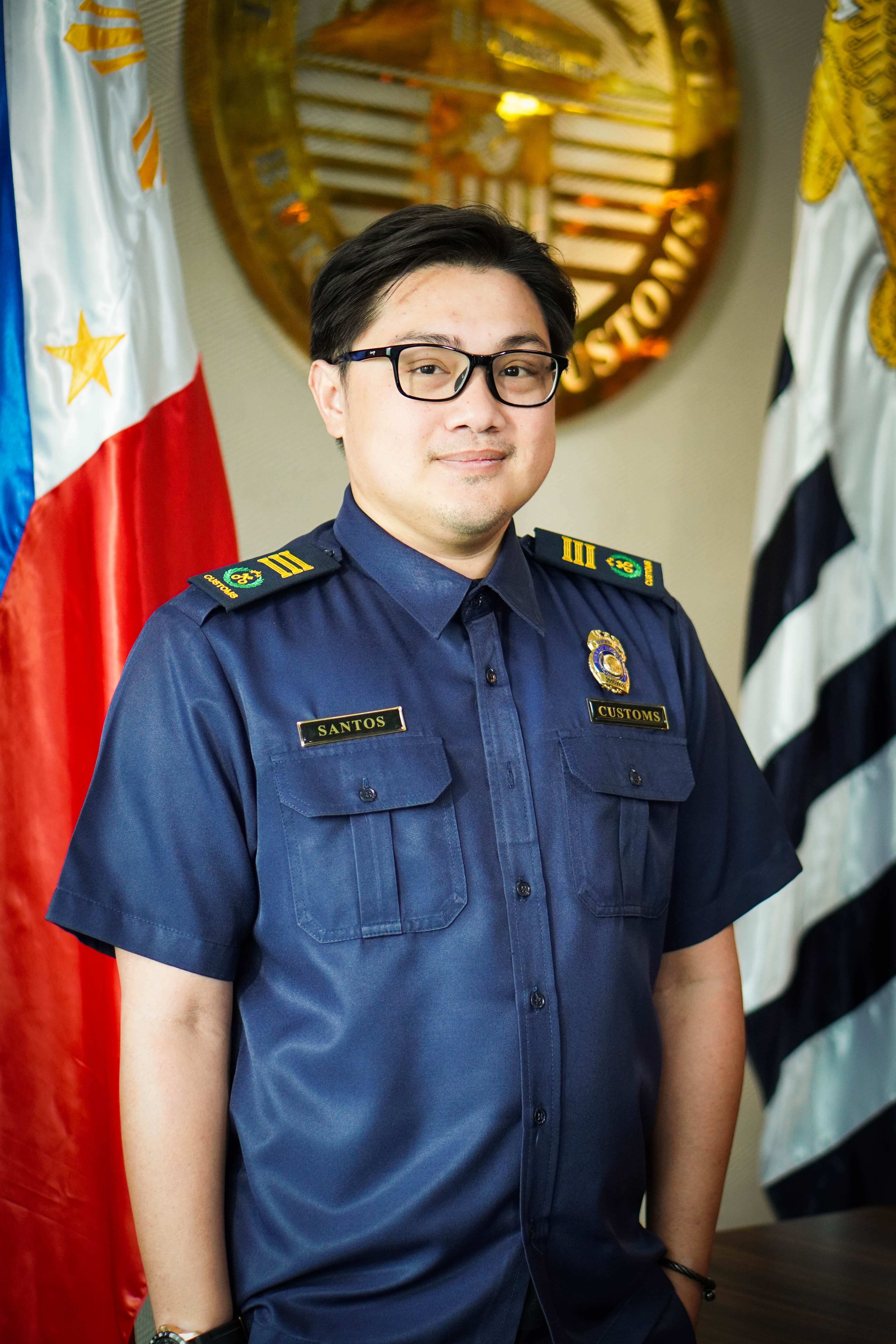
Chief, Passenger Service and Processing Division

Chief, Customs Clearance Area and Cargo Control Officer, Clark Airport Support Services Corp. (CASSC)
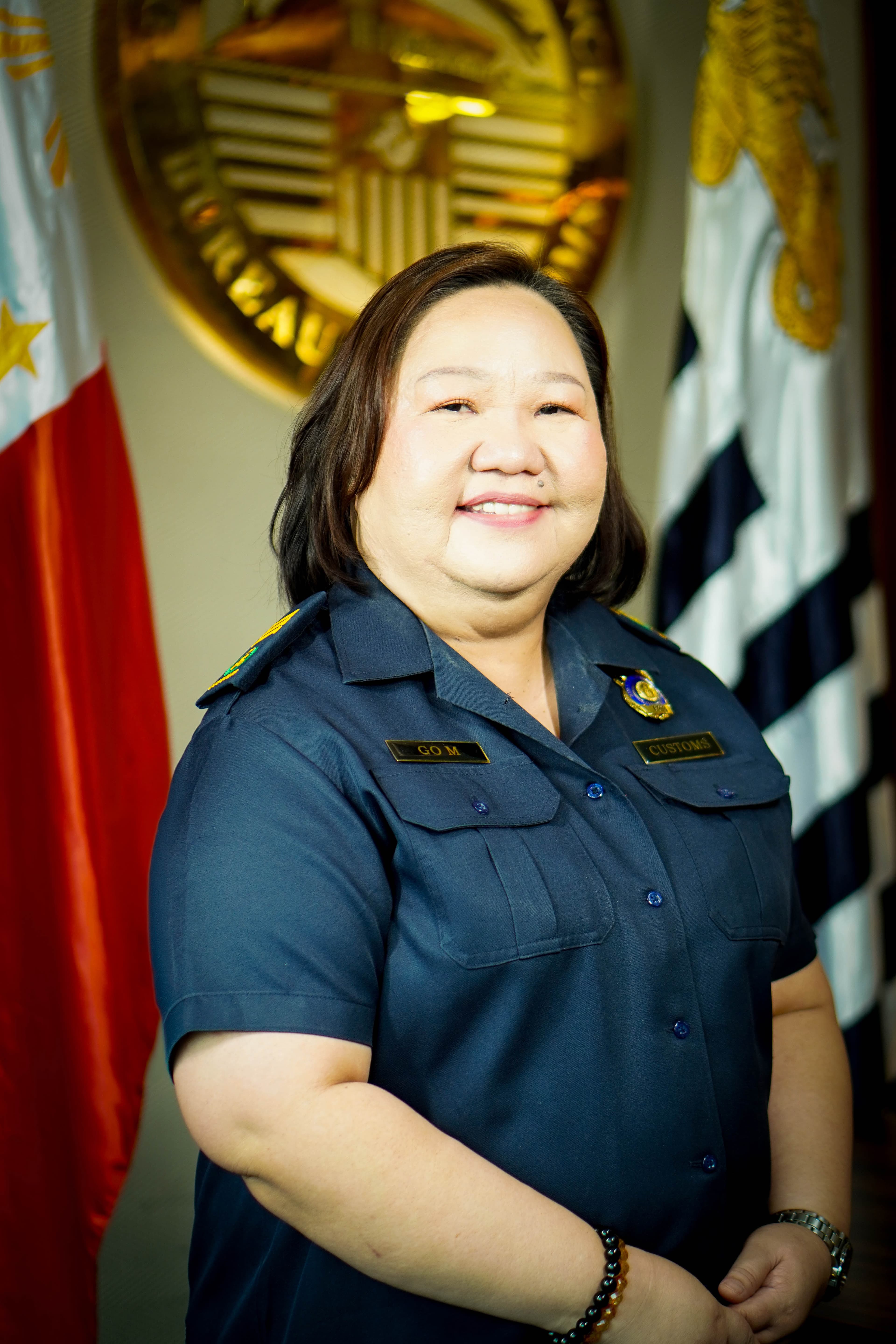
Chief, Export Division

Chief, Aircraft Operations Division
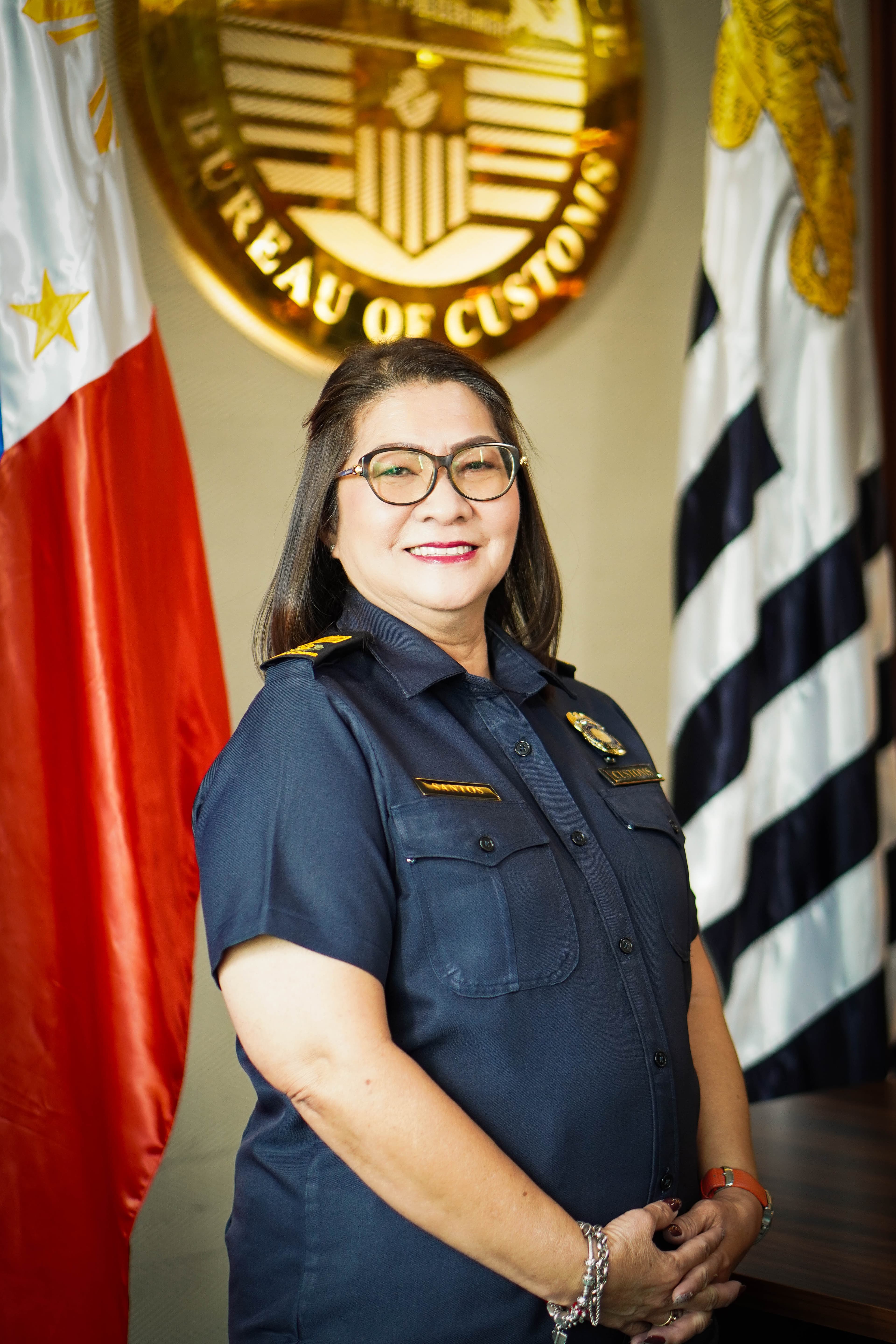
Head, UPS Composite Unit

Head, FedEx Composite Unit
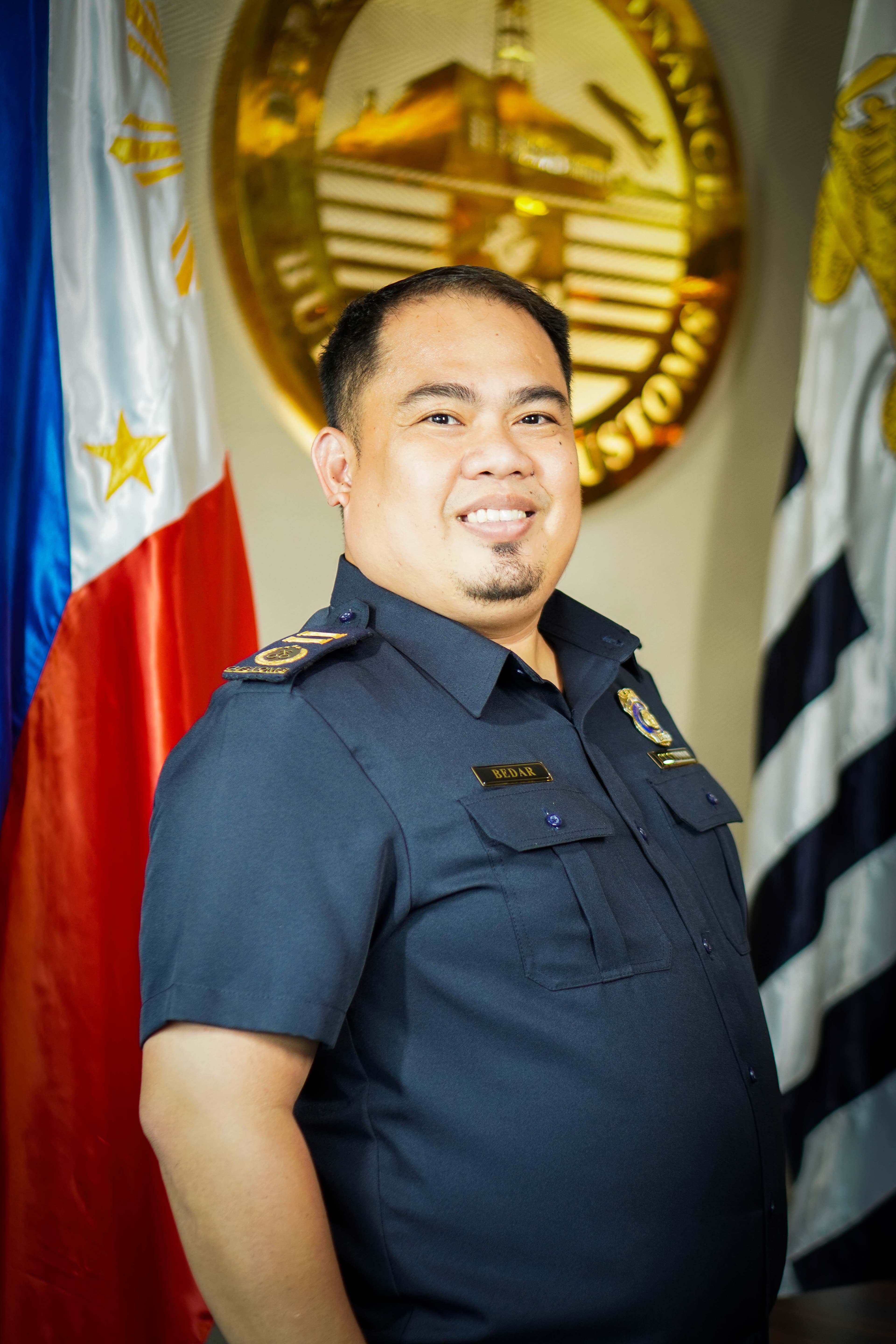
Cargo Control Officer, CARGOHAUS
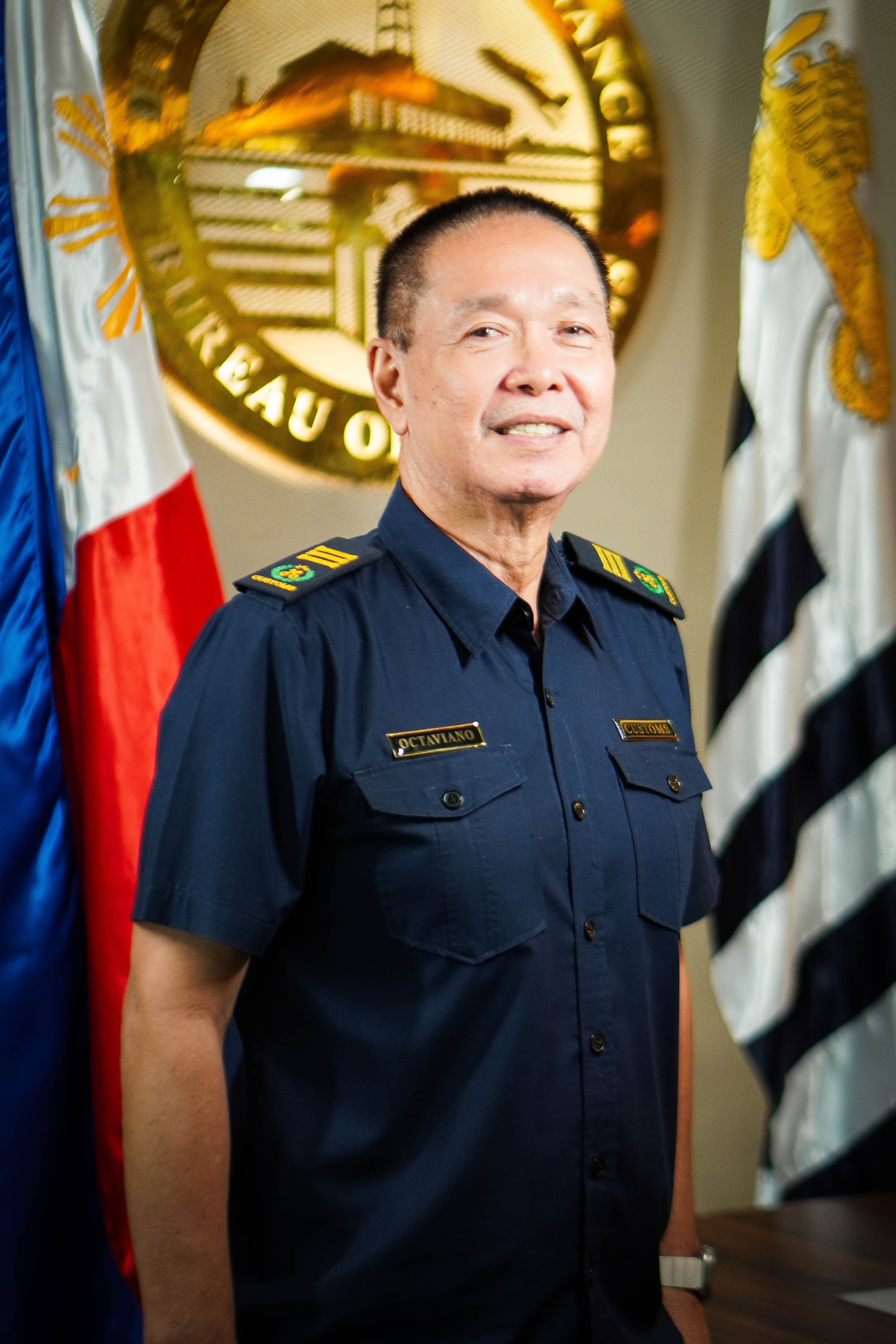
Cargo Control Officer, People's Air Cargo and Warehousing Co., Inc. (PAIRCARGO)
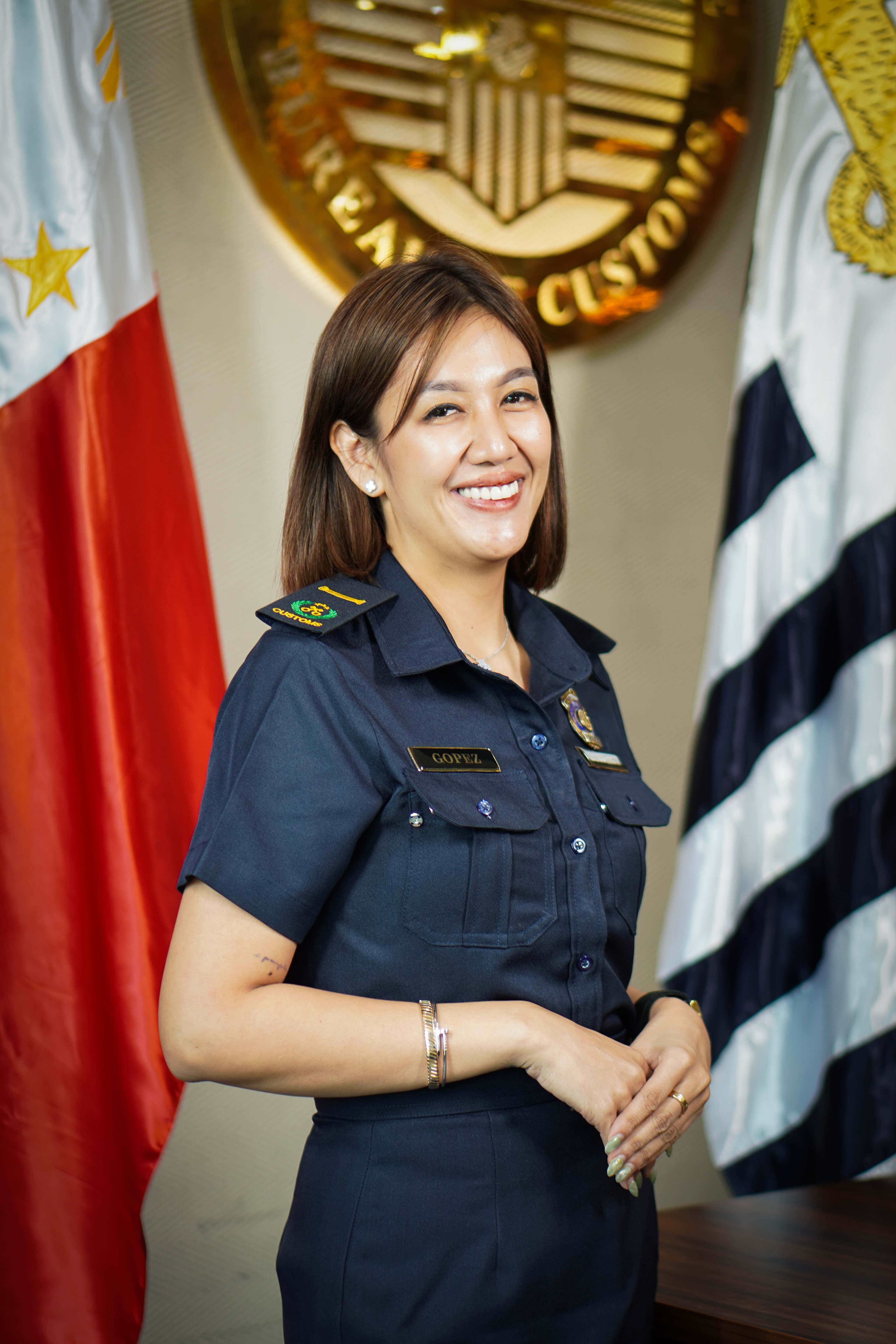
Cargo Control Officer, Ground Air Logistics Corporation (GALCO)
Support-unit representatives assigned to the Port of Clark.

Enforcement and Security Service (ESS)

Field Station Chief, Customs Intelligence and Investigation Service (CIIS)
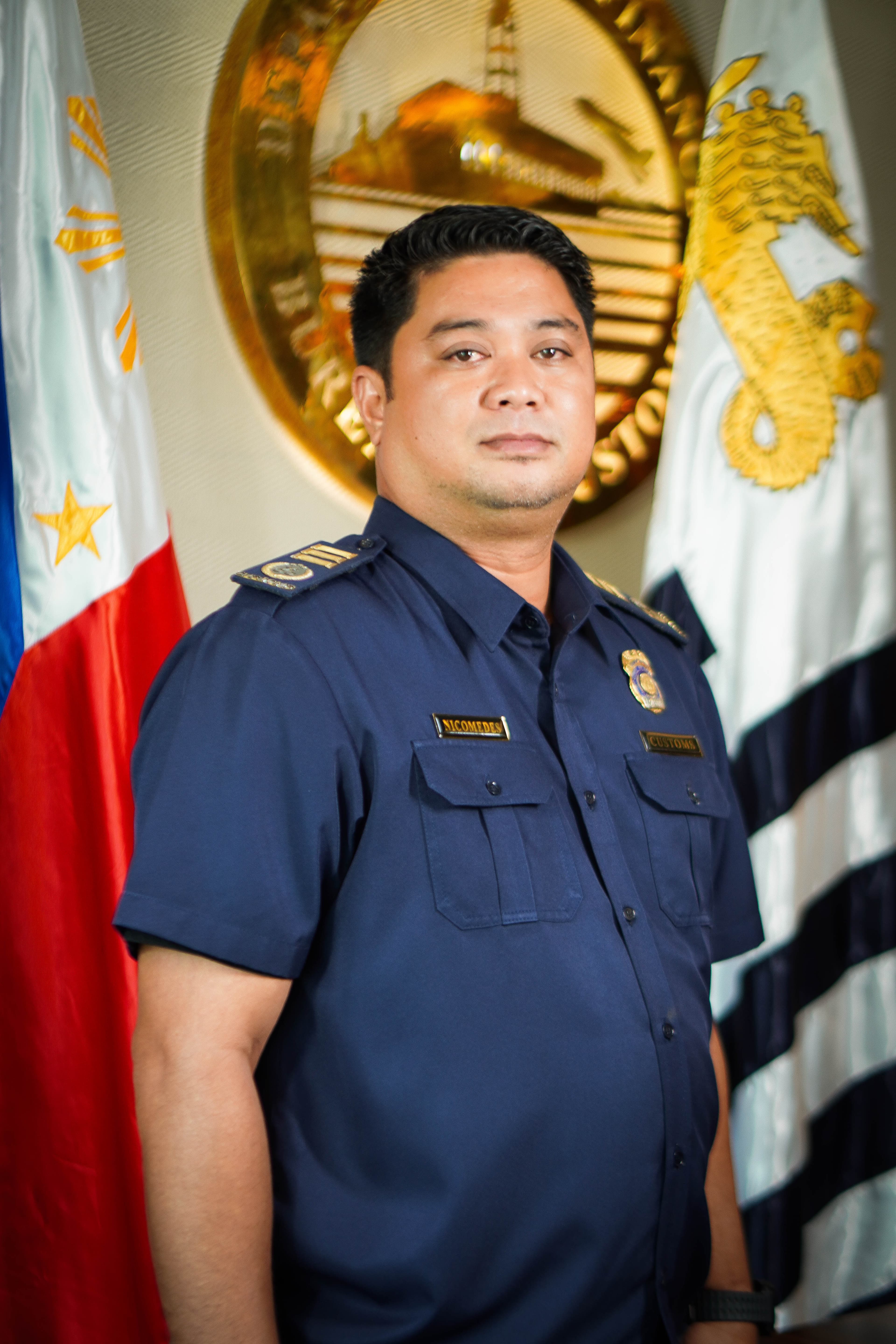
Field Officer, X-ray Inspection Project (XIP)

Site Manager, Management Information Systems and Technology Group (MISTG)
Clark Freeport Zone, Philippines | (+63) 45-599-9000 | information@clark.com.ph